


All stories

Change and transitions · · 6 min read

A Social Story for Transitions: Helping Your Child Leave the Park Without Tears

A social story for transitions helps because it shows your child, through a character like them, that ending something fun feels sad but can be handled, and that good things come next. Reading it before the park, giving a clear countdown and following the same goodbye steps every time make leaving much easier.

The story: «Leaving the Park»

A real story from the NeuroStories library. Read it with your child as it is, or create it in the app with their name, your family as cartoons and the exact situation you are going through.

  1. Leaving the Park — page 1

    It's a sunny Saturday morning, and Emma, a bright and curious 5-year-old, is playing at the park with her best friend, Olivia. They're laughing and running around, having the best time ever. 'This is the best day!' Emma exclaims. But as they play, Emma's mom reminds her that it's almost time to leave.

  2. Leaving the Park — page 2

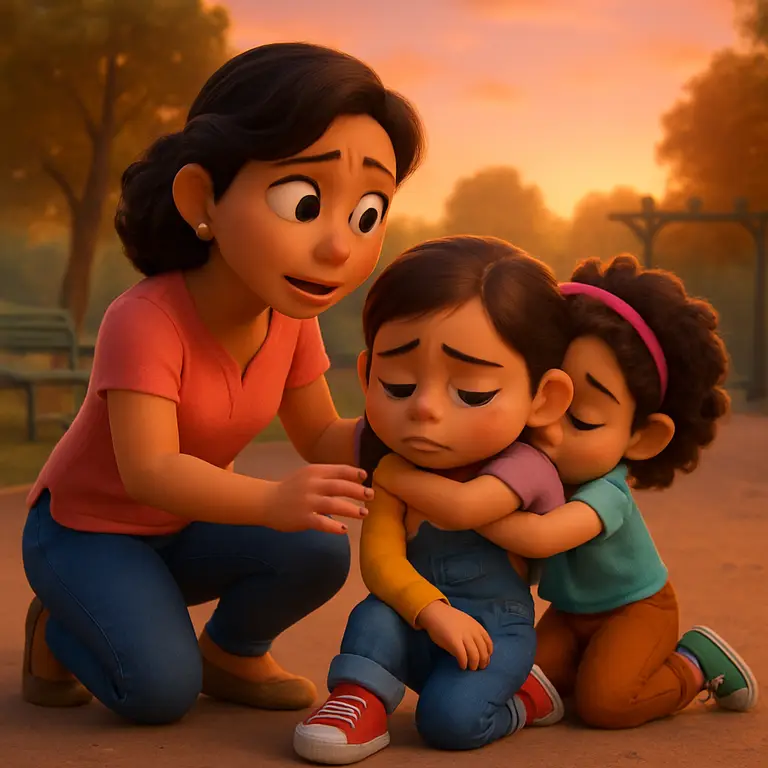
    But when it's time to leave, Emma starts to feel sad and doesn't want to go. 'I don't want to leave the park!' she says, her voice trembling. Her friend Olivia gives her a big hug and says, 'It's okay, Emma, we can come back tomorrow.'

  3. Leaving the Park — page 3

    Emma's mom suggests they take a few deep breaths together to help her feel better. Emma takes a deep breath in, and then out, and starts to feel a little calmer. 'I'm still sad, but I feel a little better,' she says.

  4. Leaving the Park — page 4

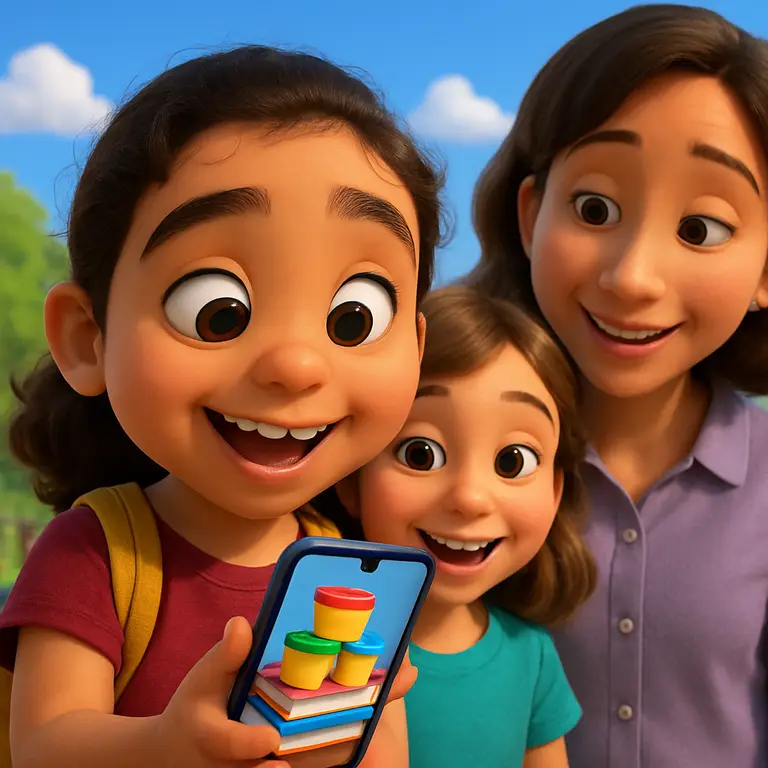
    Olivia reminds Emma of all the fun things they can do at home, like playing with playdough and reading books. Emma starts to get excited about these activities and realizes that leaving the park doesn't mean the fun has to end.

  5. Leaving the Park — page 5

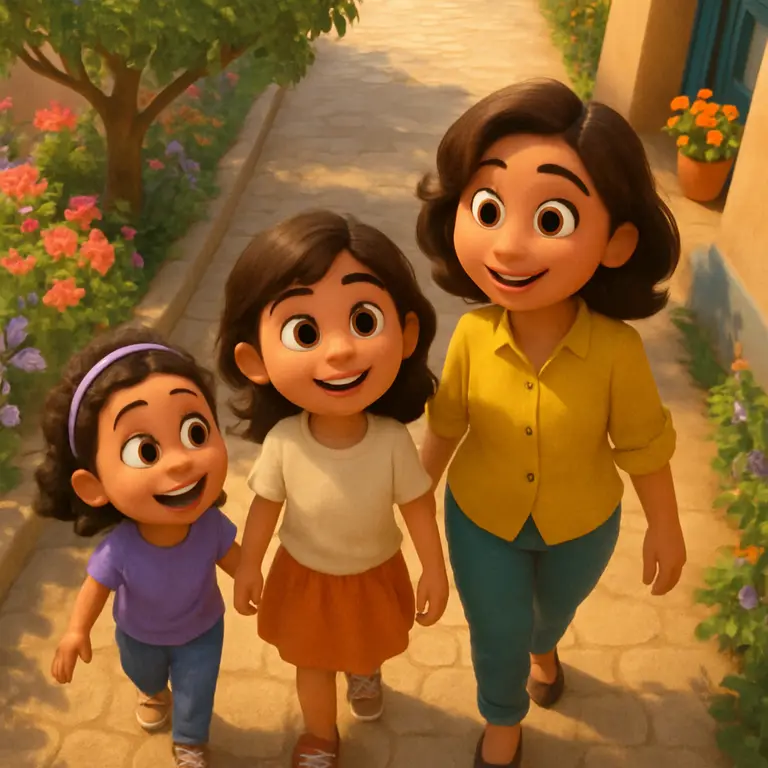
    As they walk home, Emma's mom points out all the beautiful things they see, like the blooming flowers and the tall trees. Emma starts to notice these things too and feels grateful for the nice walk home.

  6. Leaving the Park — page 6

    When they get home, Emma and Olivia have a great time playing with playdough and reading books together. Emma realizes that even though she had to leave the park, she can still have lots of fun at home. 'I'm so glad we came home,' Emma says, smiling.

Why are transitions so hard for your child?

Moving from one activity to the next (leaving the park, stopping play for dinner, heading to school or daycare) is one of the most common triggers for tears in early childhood. The Child Mind Institute describes transitions as common triggers for behaviors ranging from whining and stalling to tantrums and meltdowns, and notes that extra support matters most for kids with ADHD, anxiety, autism or sensory processing issues.

There are a few reasons. Ending something fun is a small loss. Your child may not know what comes next, and the unknown feels uncomfortable. And logic does not go very far yet: pediatrician Bergen Nelson of Children's Hospital of Richmond at VCU points out that kids don't typically develop the ability to reason until about age 7, so "it's getting late" rarely does the trick.

What does work is preparing them ahead of time, repeating the same steps and acknowledging the feeling without moving the limit.

How to read this story with your child

  1. Read it before you go to the park, not right after a hard goodbye. That way the story prepares rather than corrects.
  2. Name what Emma feels. When it is time to go, her voice trembles and she says she does not want to leave. Ask: "Has that happened to you? How did it feel?" Seeing themselves in the character takes the shame away.
  3. Point out the reminder. Emma's mom tells her it is almost time to leave before it actually is. That is the countdown you can copy.
  4. Practice the deep breaths together. Emma breathes in and out with her mom and says, "I'm still sad, but I feel a little better." Pause on that page and breathe together. Notice that feeling better does not mean the sadness has to disappear.
  5. Talk about what comes next. Olivia reminds Emma of playdough and books at home, and the walk back turns into a hunt for flowers and tall trees. Ask: "What can we look for on our way home?"

What to say and what to avoid

Try sayingTry to avoid
"Three more times down the slide, then we head home."Leaving suddenly or sneaking away to avoid tears.
"You're sad because you were having so much fun. I get it.""That's enough. It's not a big deal."
"Let's take three big breaths together, like Emma."Threats like "If you cry, we're never coming back."
"We'll come back another day. Now it's snack time at home."Giving in and staying longer because they cry.

Small changes that help

  • Countdowns. The Child Mind Institute suggests previewing the day and then counting down before each transition. With little ones, count in actions: "two more swings."
  • Allow enough time. Children's Hospital of Richmond at VCU suggests leaving a few extra minutes, when possible, so your child can finish what they are doing, like one last tower in the sandbox. Rushing makes meltdowns more likely.
  • Visual cues. The Child Mind Institute notes that some children benefit from visual cues, such as a picture chart of what happens at each step: park, shoes, car, home.
  • A goodbye ritual. Wave to the slide, the swings or a friend, the same way and in the same order every time.
  • Give some control. The Mount Sinai Parenting Center suggests involving children in decisions around a transition: let them choose the last activity or who carries the bucket to the car.
  • Talk before, during and after. "When you finish, we'll go" (before); "now we put on our jackets" (during); "you did it, great job!" (after).
  • Something good on the other side. A snack, a book or a game at home means leaving is not only about losing something, just like Emma's playdough afternoon.

If goodbyes often end in a full meltdown, our story for tantrums may help too.

When a personalized story helps even more

For many children, the hardest transition is not the park but something very specific: getting out of the pool, turning off the tablet or leaving Grandma's house. In NeuroStories you can create a story with your child as the hero, in their real situation and with the people who are there, all as cartoons. Seeing ahead of time how they say goodbye, calm down and what happens next helps them preview the moment. It is the idea behind social stories: describe the situation before it happens and show how to handle it.

Frequently asked questions

Why does my child melt down every time we leave the park?
They are being asked to give up something they love, often without knowing exactly what comes next, and they do not yet have the tools to manage that frustration. It is very common in early childhood. It does not mean your child is spoiled: they need a warning, a predictable goodbye and an adult who stays calm and kind while holding the limit.
Do countdown warnings actually help?
Yes, especially when they are concrete. The Child Mind Institute calls previews and countdowns key for transitions. For young children, counting in actions works better than minutes. Children's Hospital of Richmond at VCU suggests something like: 'You can go down the slide three more times, then it's time to go home.'
Should I give in and stay five more minutes if they cry?
It is better not to extend playtime because of crying, or your child learns that tears buy time. Instead, build any extra time into the warning, then follow through calmly. Consistency is what makes the next goodbye easier.
What if my child drops to the ground and refuses to move?
Stay calm, get down to their level and name the feeling: 'You're really sad because you were having so much fun.' Wait for the intensity to drop before giving directions, and carry them gently if you need to. Talking about what happened later, once they are calm, works better than lecturing in the moment.
When should I talk to a professional?
If transitions trigger very intense meltdowns almost every day, get worse with age or come with other difficulties such as language, play, sleep or strong reactions to noise or textures, mention it to your pediatrician. Routines and visual supports are especially helpful for children with autism, ADHD or anxiety.

Sources and further reading

Stories are a supportive family tool and do not replace professional advice. If something worries you, talk to your pediatrician or a specialist.