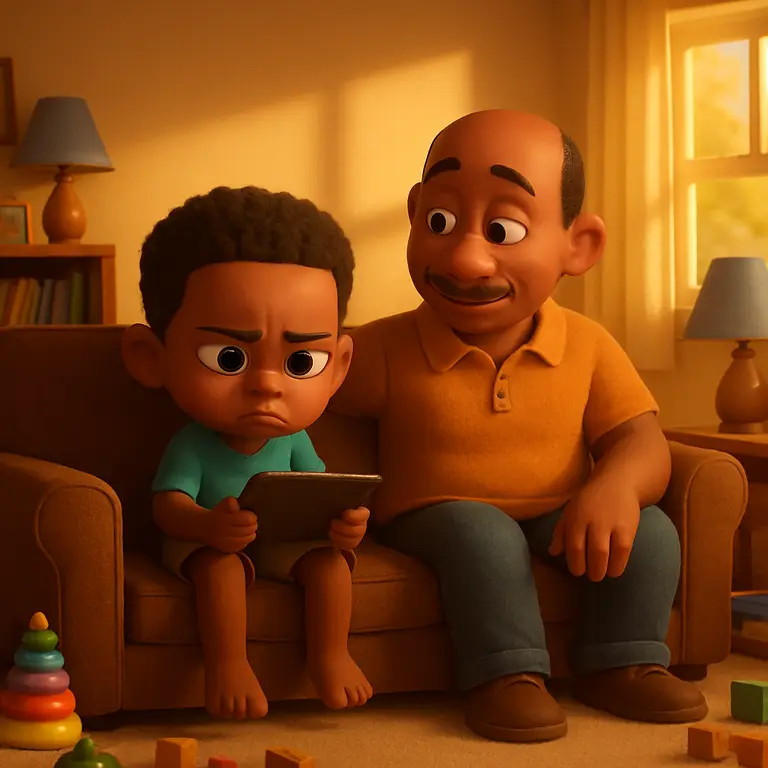
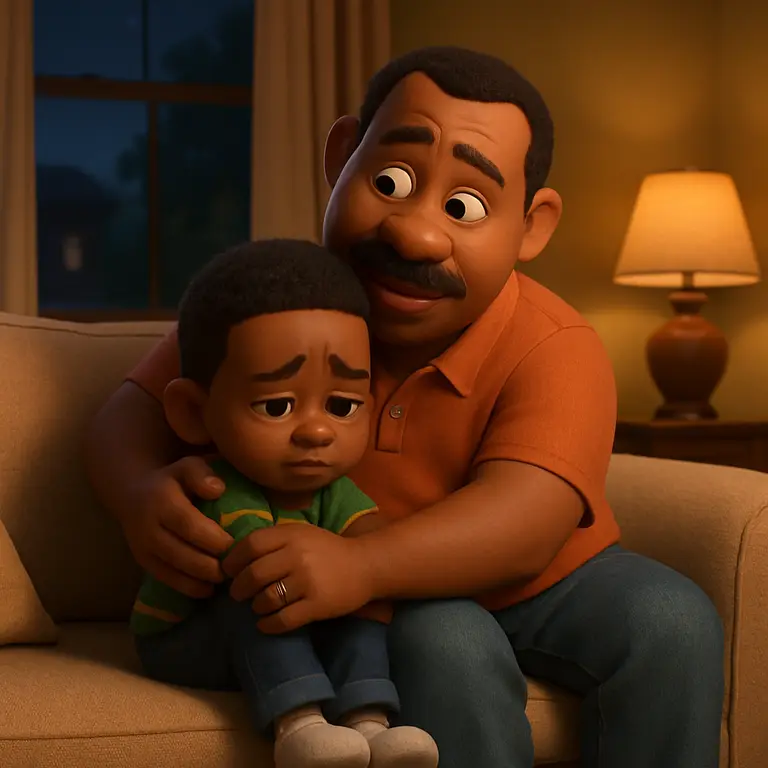




Why does turning off the tablet trigger a meltdown?
For an adult, turning off a screen is just tapping a button. For your child, it means suddenly losing something they love, often without knowing when it will come back. That frustration can come out as a tantrum: crossed arms, tears, yelling or dropping to the floor.
Nemours KidsHealth explains that tantrums are a normal part of development, most common between ages 1 and 3, and they are how young children show they are upset or frustrated. They are more likely when kids are tired, hungry or can't have something they want, and a tablet at the end of a long day checks all three boxes.
There is good news, too. In a University of Washington study, 28 families of children aged 1 to 5 kept a two-week diary of screen time. Parents reported a neutral reaction 59% of the time when screen time ended, and a negative one 22% of the time. Most transitions go fine, and what happens around that moment makes a real difference.
How to read this story with your child
- Read it away from screens, at a calm moment. Never mid-meltdown: a child who is that upset can't take anything in. Try the couch after school or bedtime.
- Pause on the first page and ask: "How does Tyler feel when Dad says it's time to turn off the tablet?" Naming someone else's feelings helps children name their own.
- Point out what Dad does. He speaks gently, explains why (it's almost bedtime), reminds Tyler of something to look forward to (Emma is coming tomorrow) and gives him a hug. He doesn't hand the tablet back.
- Talk about the walk. Moving, fresh air and Max the dog help Tyler feel better. Ask your child what helps their body calm down.
- Make your own screen-free list, inspired by Mrs. Thompson's childhood favorites: playing outside and reading books. Keep it somewhere you can both see it.
- Read it again for a few days, right before screen time starts, so the story previews what comes next.
What to say and what to avoid
| Try saying | Try to avoid |
|---|---|
| "I know it's hard to stop. It's OK to feel mad." | "Stop crying, it's just a game." |
| "When this episode ends, we'll turn it off and go outside." | Switching it off mid-video or mid-level, with no plan agreed beforehand. |
| "I'm right here. I'll give you a hug when you're ready." | Yelling, threatening or long explanations during the meltdown. |
| "You turned it off yourself today! That was hard, and you did it." | Turning the screen back on to end the tantrum. |
What makes turning off screens easier?
- Agree on the plan before the screen goes on: how many episodes or which game, and what happens next. Then the ending is not a surprise.
- Stop at a natural break. In the University of Washington study, routines and natural stopping points made the switch easier, while the two-minute warning made kids more upset. NYU Langone psychologist Rebecca Berry also suggests avoiding countdown warnings and not taking devices away in the middle of a game or video.
- Have something fun ready, like a snack, a trip to the park or a walk around the block, just like Tyler's.
- Let your child press the button. Turning it off themselves gives them a bit of control at a moment when they feel they are losing it.
- Watch the timing. Ending screen time right before dinner, when your child is hungry and tired, is a recipe for a meltdown.
If switching between activities is hard for your child in general, try our story for transitions as well.
How a personalized NeuroStories story helps
Tyler is a good reading buddy, but many children connect more with a story where they recognize themselves. With the "A challenge" mode in NeuroStories, you can create this same story with your child as the hero, drawn as a cartoon with their family, their tablet or favorite show, and the plan you really follow after screen time. You can also describe your own situation, for example "melts down when I turn off the tablet before dinner".
Seeing themselves get through the anger makes the story feel close and easy to remember. It is the idea behind social stories: preview a hard moment and show, step by step, how to handle it. It doesn't replace your support or your pediatrician's advice, but it gives your child one more way to practice while calm.