Why do loud noises bother your child so much?
The blender, the vacuum, a hair dryer, the hand dryer in a public restroom, fireworks on the Fourth of July or a clap of thunder. To an adult these are everyday sounds. To many children they arrive suddenly, with no warning and no way to make them stop.
The audiology service at Leeds Community Healthcare (NHS) explains that it is very common for children to dislike loud sounds, especially when they are sudden or new. Many kids cover their ears, cry or get anxious. Interestingly, the same service notes that children are often happy with loud sounds they make themselves, like banging a drum or shouting during play.
According to KidsHealth (Nemours), sound sensitivity is common in children and tends to go away as they grow. Sometimes the fear spreads to the place where they heard the noise, like a bathroom, and being tired or stressed makes it worse.
If your child is autistic or very sensitive to sound
Leeds Community Healthcare notes that noise sensitivity is more common in autistic children and in children with Williams syndrome or learning difficulties. The National Autistic Society describes how, with sound hypersensitivity, noises can seem much louder and unexpected sounds can be especially distressing. It is not a tantrum or a bid for attention; it is a different way of processing sound. That is why the organization advises not to judge or question a person's sensory experience or their need for sensory tools.
How to read this social story with your child
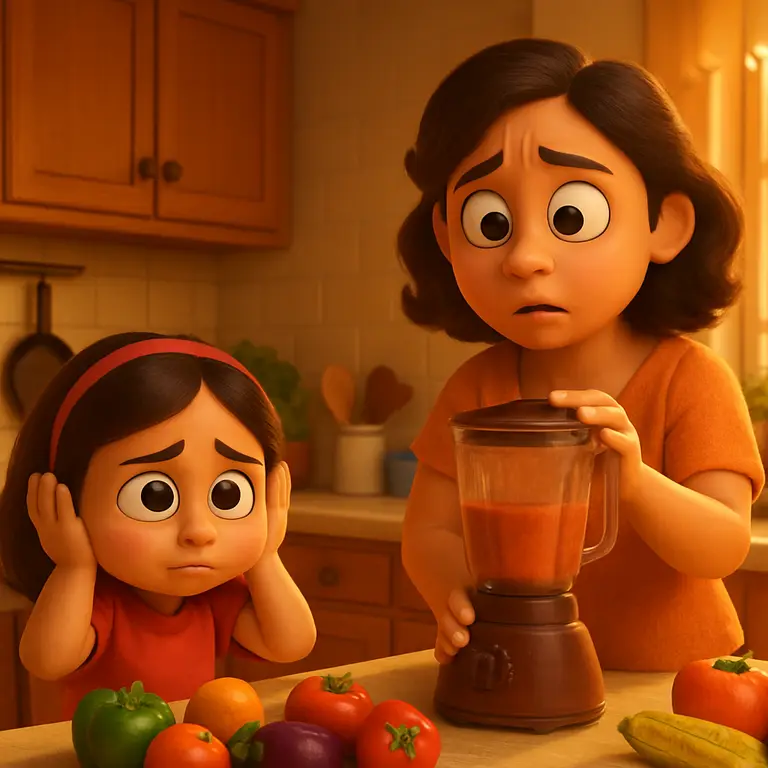
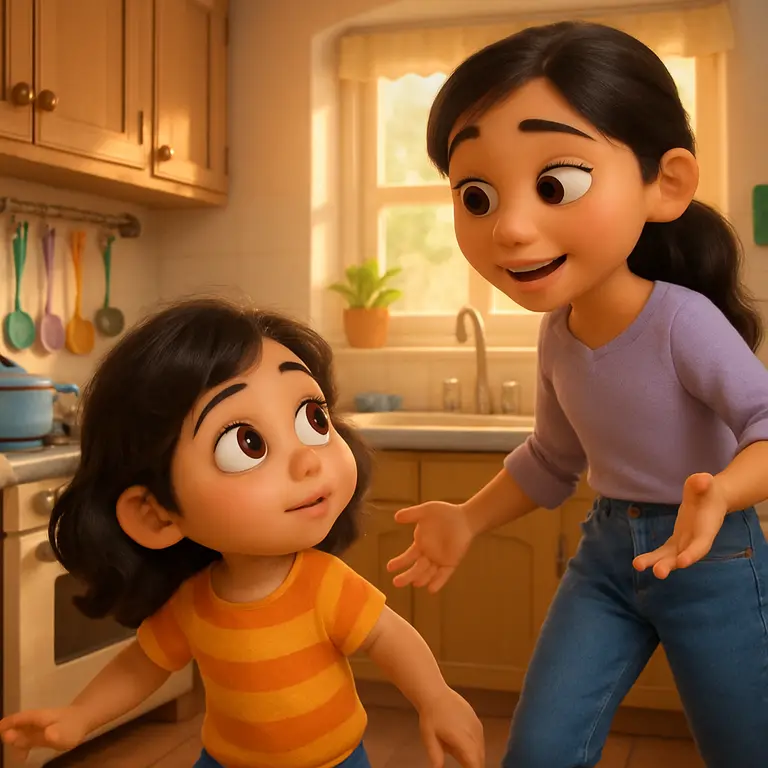
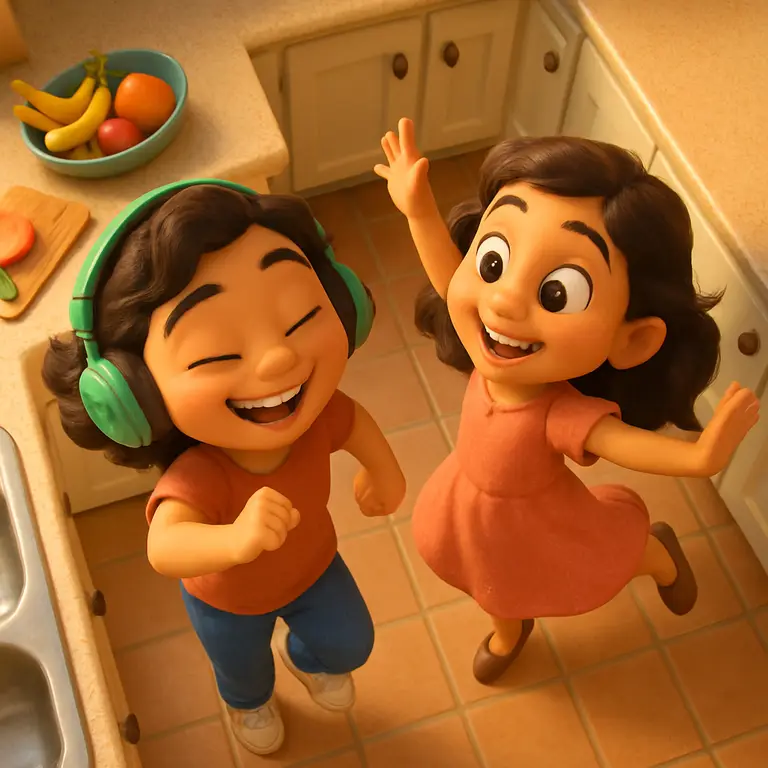
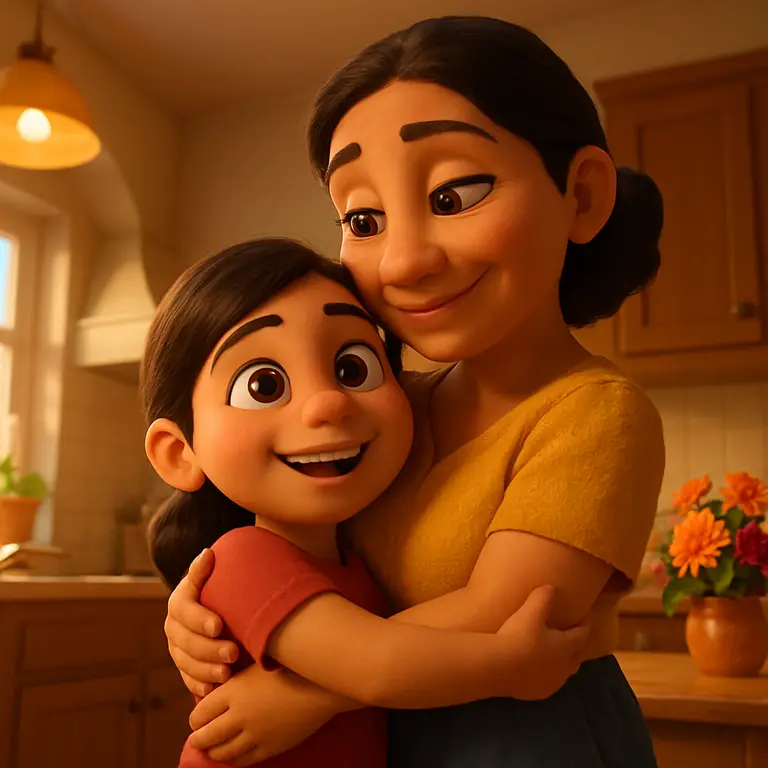
In the story, Emily is playing with her best friend Olivia when her mom turns on the blender. Emily covers her ears. With Olivia's breathing trick and a new pair of headphones, she finds a way to stay and play.
- Read it at a calm time, away from any noise that bothers your child. The first read is about getting to know the story, not about "getting over" anything.
- Pause on Emily's first reaction. She covers her ears and says, "It's too loud!" Ask, "What do you do when a sound is too loud?" This shows your child that the reaction is normal.
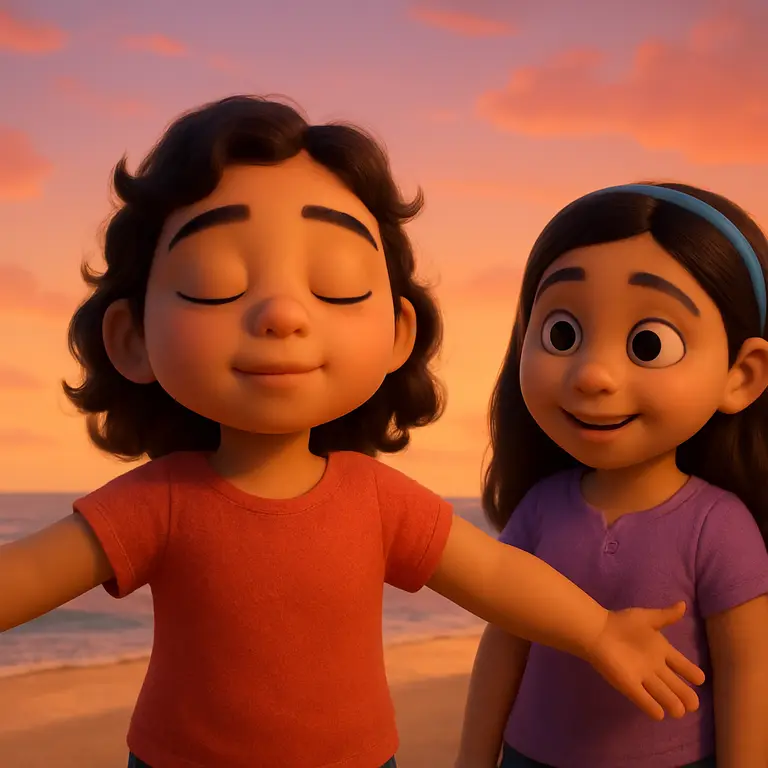
- Practice Olivia's trick together. Olivia learned it from her grandma: a deep breath in and out, and imagining a peaceful place. Emily pictures a quiet beach. Ask your child where their calm place would be.
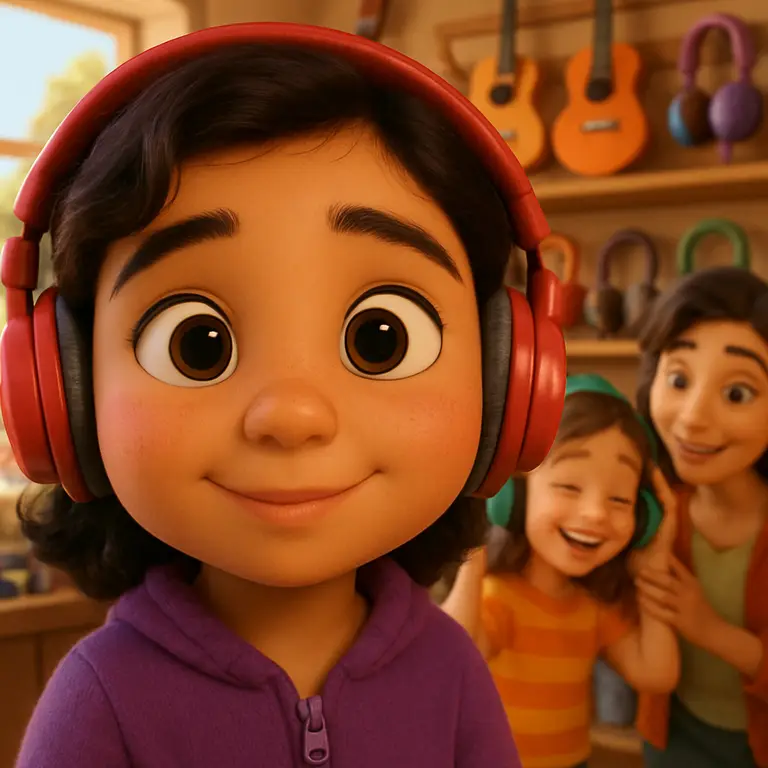
- Talk about the headphones. Emily's mom suggests them, and Emily picks the pair she likes. Point out that she chooses a tool for one specific moment, when the blender is on, so she can keep playing.
- Swap in your child's noise. After reading, ask, "What if it were the vacuum? What would you do?" Make up your own version together.
- Read it again over several days. Knowing how a story ends builds confidence for the next time the sound happens.
What to say and what to avoid
| Try saying | Try to avoid |
|---|---|
| "I'm going to turn on the vacuum. Want to push the button?" | Turning on appliances without warning. |
| "That's really loud, isn't it? I'm right here with you." | "It's not a big deal" or "Stop overreacting." |
| "That's the hair dryer. It blows warm air to dry hair." | Scary explanations ("It's going to explode!"). |
| "If it's too much, we can go to another room." | Making them stay close "so they get used to it." |
| "You stayed a little longer today. Nice job!" | Laughing at the fear or startling them as a joke. |
Small changes that help at home
- Give a heads-up. Leeds Community Healthcare suggests something as simple as saying, "I'm going to turn the vacuum on now," before you do it.
- Hand over control. The same service recommends noisy toys, music, or videos of loud appliances that your child can start and stop. KidsHealth adds that kids can turn on an item like a vacuum while you are right there.
- Add soft background sound. KidsHealth suggests playing quiet music when the house is silent, so sudden noises feel less startling.
- Breathe together. Use Emily's beach, or "smell the flower, blow out the candle," to slow things down.
- Use headphones wisely. For a big, loud event like fireworks, headphones can help. But KidsHealth and Leeds Community Healthcare both warn that using them all the time may make a child more sensitive. If your autistic child already relies on them, decide together with their care team.
- Prepare for predictable noise, like the clippers at a haircut, popping balloons at a party or the school fire drill.
If nothing improves after a few months, or sounds seem to cause pain, talk to your pediatrician.
When a personalized story helps more
Your child's hard sound might not be a blender. It might be the bathroom hand dryer, the vacuum on Saturday mornings or the fireworks down the street. With NeuroStories you can create a story with your child as the main character, their home, their family as cartoons and the exact noise they find hard. They rehearse the moment before they live it, which is the idea behind social stories. If the barber shop is also tricky, try our haircut story for kids.