Why is your child afraid of the dark?
Fear of the dark is one of the most common childhood fears. It tends to appear around age 2 or 3, when imagination takes off but children still struggle to separate what is real from what they picture: a shadow on the wall can become a monster. Children's Hospital Colorado reports that nearly three in four children aged 4 to 12 have some kind of nighttime fear.
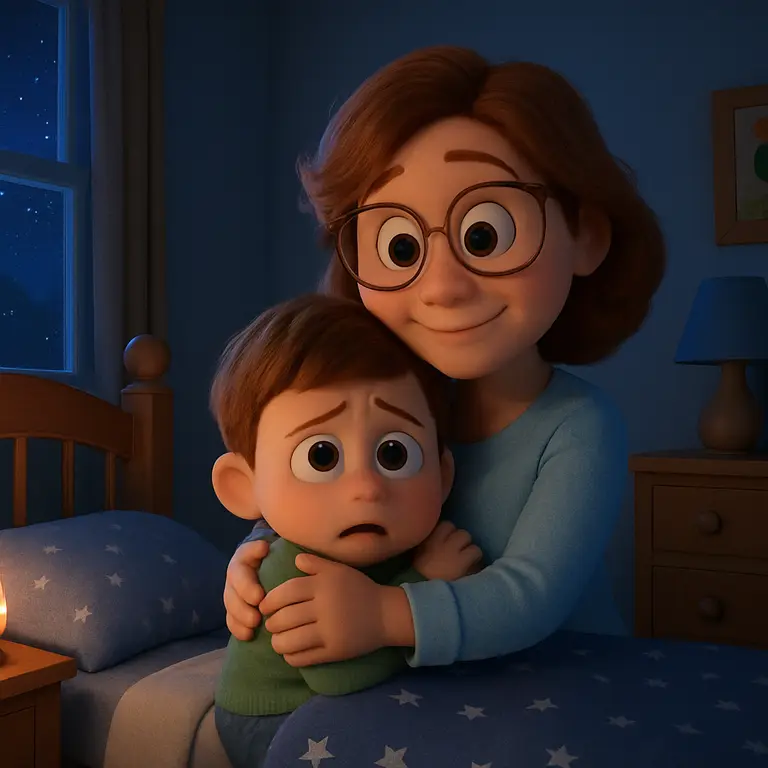
Darkness also arrives at the moment kids say goodnight to their parents. Often the fear is not only about the dark, but about being alone.
It is a normal fear and, in most cases, a passing one. What you can do is help your child face it feeling safer.
How to read this story with your child
- Read it during the day first, at a calm moment, so the story is linked to feeling safe rather than to lights-out.
- Ask how Benny feels on each page: "How do you think he feels here?" Naming someone else's feelings helps children name their own.
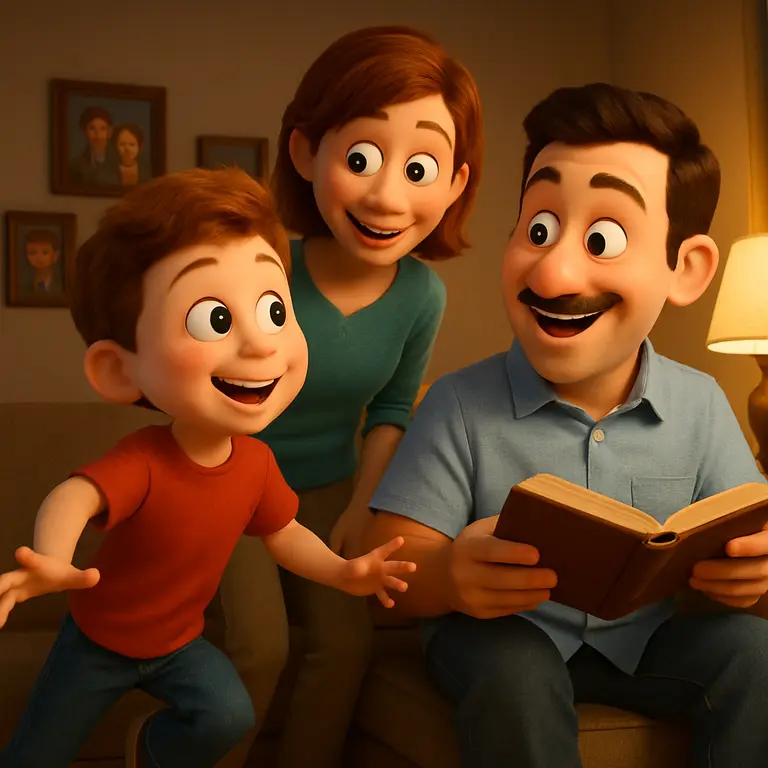
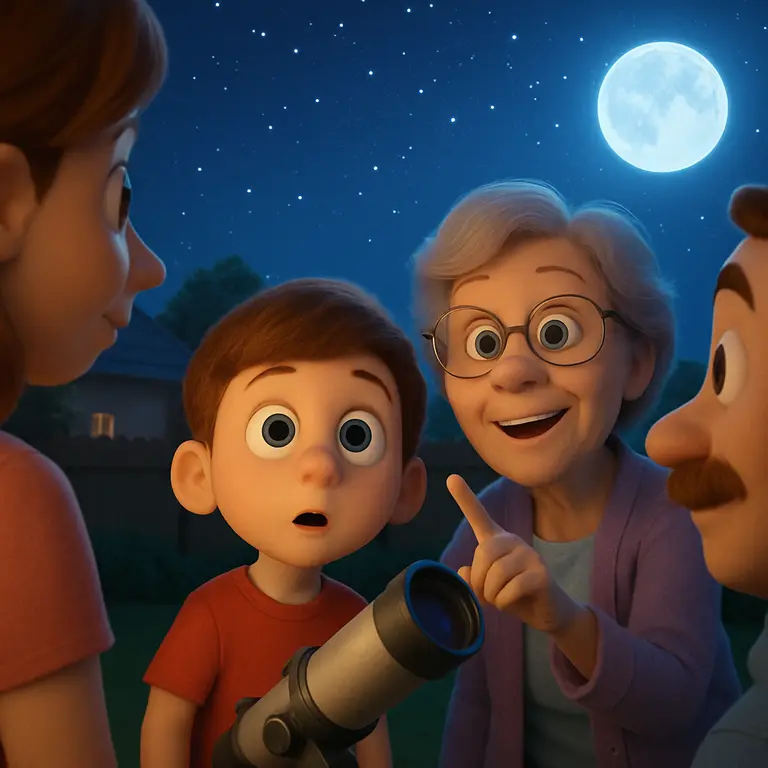
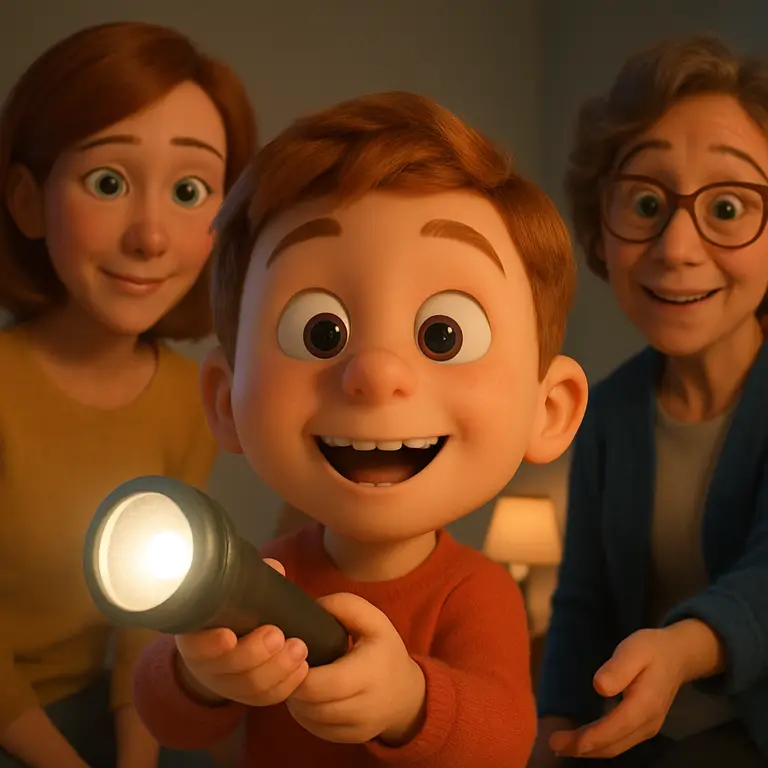
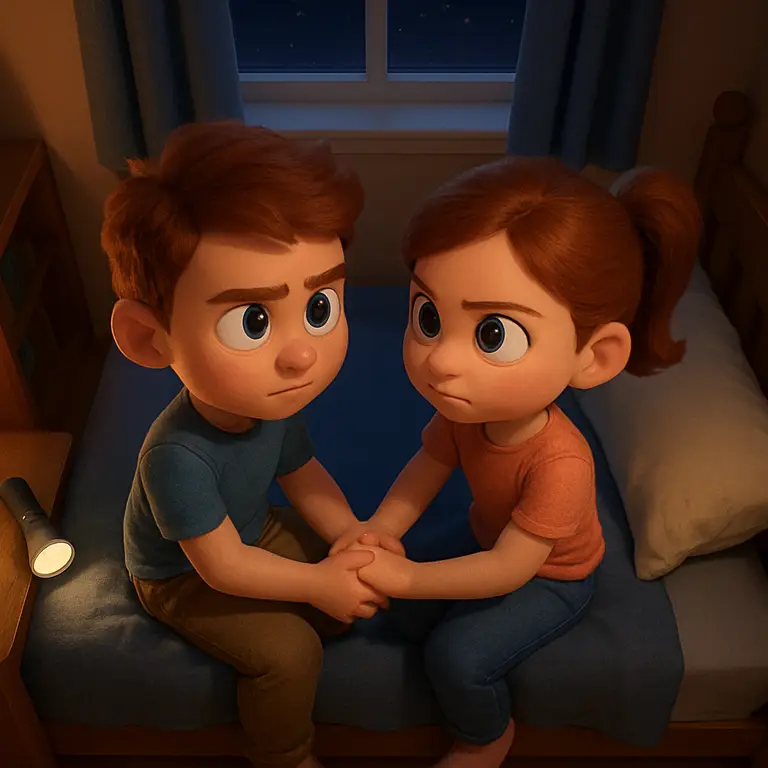
- Point out what helps Benny: Dad sharing that he was scared too, the stars, the flashlight, Mom being "right down the hall" and a friend by his side. These are strategies you can borrow.
- Repeat it over several nights. Knowing how a story ends is reassuring; repetition is part of how it works.
- Make it real: walk through the house with the lights off and a flashlight, looking for "the good things about the night", just like in the story.
What to say and what to avoid
| Try saying | Try to avoid |
|---|---|
| "I understand you feel scared. I'm right here." | "Don't be silly, that's for babies." |
| "What do you see when the light goes off? Let's look together." | Teasing or scaring them "as a joke". |
| "If you wake up, you can turn on your flashlight." | Scary movies or videos before bed. |
| "You did so well last night, remember?" | Getting angry when they call out at night. |
Small changes that help
- A predictable routine: bath, pajamas, teeth, story, lights. Knowing what comes next lowers anxiety. See our guide to a calming bedtime routine for anxious kids.
- A dim, warm light you can lower little by little.
- A comfort object your child chooses: a stuffed animal or the flashlight from the story.
- Play with the dark during the day: shadow puppets, flashlight treasure hunts or a blanket fort. They turn the dark into something familiar.
When a personalized story helps even more
Some children find it hard to relate to a character who does not look like them. In NeuroStories you can create this same story with your child as the hero, their bedroom, their favorite stuffed animal and the person who comforts them at night, all as cartoons. Seeing themselves overcome the fear makes the story feel closer. It is the idea behind social stories: preview the situation and show how to handle it.